An innovative nature-based solution using fog water harvesting technology to address water scarcity in high-altitude Himalayan villages.
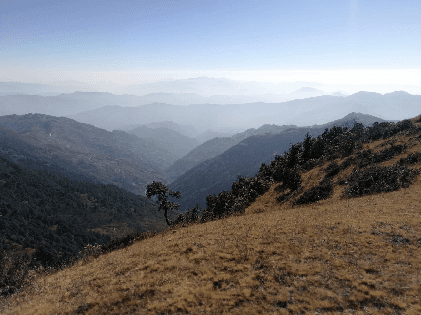
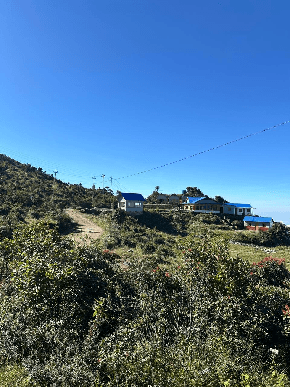

Nestled in the mist-laden ridgelines of Eastern Nepal, Khijiphalate village faces a stark water crisis. Springs are drying, wells are absent, and surface water is non-existent at this high altitude. For the 107 residents—primarily women and children—the daily search for clean water is long, physically taxing, and worsening with time. The once-thriving Samtenchhuling Monastery, a vital educational center for Buddhist teachings, had to close due to water scarcity, forcing students to carry water uphill and abandon their studies.
Water Access Restored: Over 500 liters of clean water are now available daily, meeting the essential drinking water needs of 15 households and reviving the potential for the monastery's future re-opening
Reduced Drudgery: Women and girls, once burdened by long walks for water, now have access nearby—freeing time for education, income generation, and improved wellbeing
Community Empowerment: A sub-committee under the Water Users Association (WUA) was formed—including at least 50% women and youth—trained in operation, maintenance, and monitoring of the system
Local Ownership and Sustainability: The fog harvesting system is maintained by locals using local materials. The WUA now manages the infrastructure independently
Climate-Resilient Innovation: This model aligns with Nepal's National Adaptation Plan (2021–2050), integrating water supply, sanitation, and climate resilience in remote areas
This project isn't just a solution for Khijiphalate—it's a scalable model for other water-stressed Himalayan regions. By working with local municipalities, the findings and recommendations from this initiative will contribute to future climate adaptation plans (LAPA) and national water security strategies.