CompletedResearch

Safeguarding Indigenous Women's Knowledge for Climate Resilience in Nepal

Nepal (Tharu, Magar, and Sauka communities)
2023
Donor: UN Women Nepal with team members Nirina Khadgi, Sabina Khatri and Menuka Maharjan
Implementing Partner: Centre for Indigenous People Research and Development (CIPRED)

A comprehensive study exploring the intersection of climate change impacts and Indigenous knowledge systems, focusing on the wisdom of Nepal's Indigenous communities.
Indigenous KnowledgeClimate ResilienceWomen's RightsCultural PreservationNepal
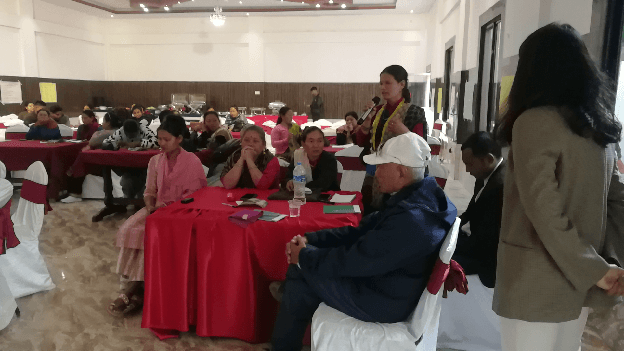
Safeguarding Indigenous Women's Knowledge for Climate Resilience in Nepal - Image 1
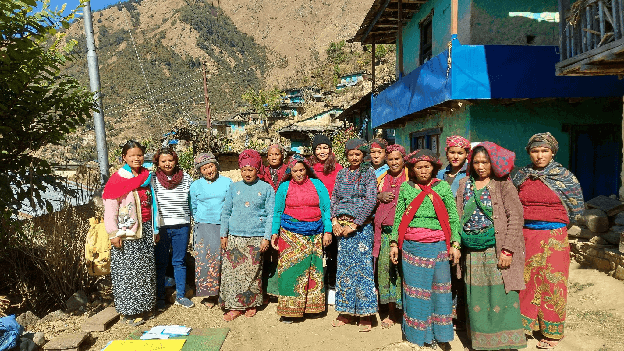
Safeguarding Indigenous Women's Knowledge for Climate Resilience in Nepal - Image 2
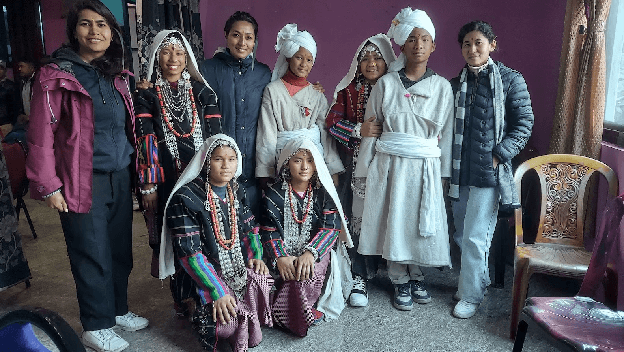
Safeguarding Indigenous Women's Knowledge for Climate Resilience in Nepal - Image 3
Safeguarding Indigenous Women's Knowledge for Climate Resilience in Nepal - Image 4
Safeguarding Indigenous Women's Knowledge for Climate Resilience in Nepal - Image 5
Safeguarding Indigenous Women's Knowledge for Climate Resilience in Nepal - Image 6
Safeguarding Indigenous Women's Knowledge for Climate Resilience in Nepal - Image 7
Safeguarding Indigenous Women's Knowledge for Climate Resilience in Nepal - Image 8
Safeguarding Indigenous Women's Knowledge for Climate Resilience in Nepal - Image 9
Safeguarding Indigenous Women's Knowledge for Climate Resilience in Nepal - Image 10
Safeguarding Indigenous Women's Knowledge for Climate Resilience in Nepal - Image 11

Project Overview

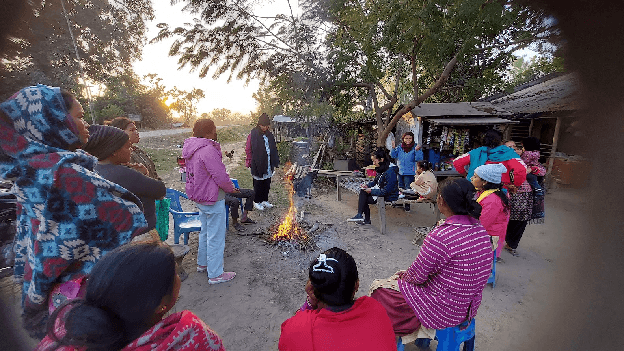
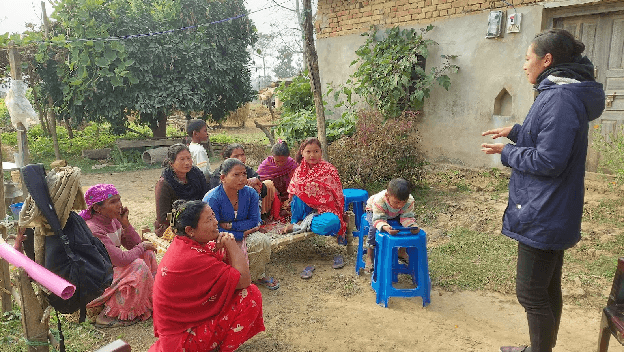
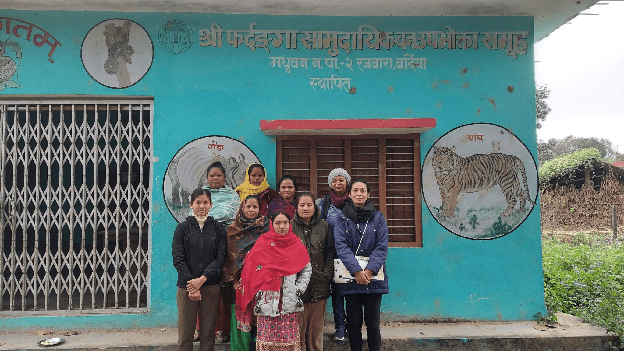
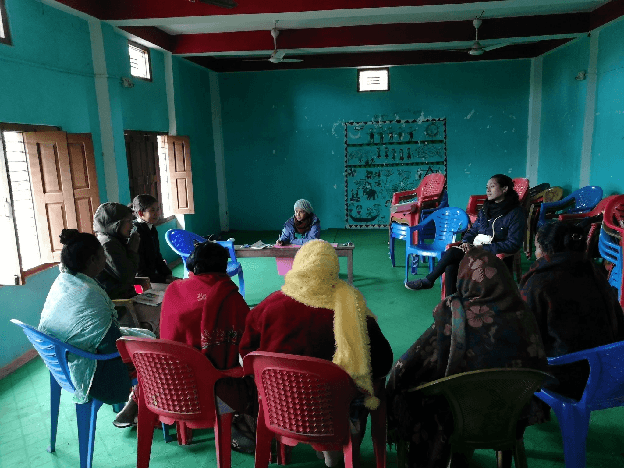
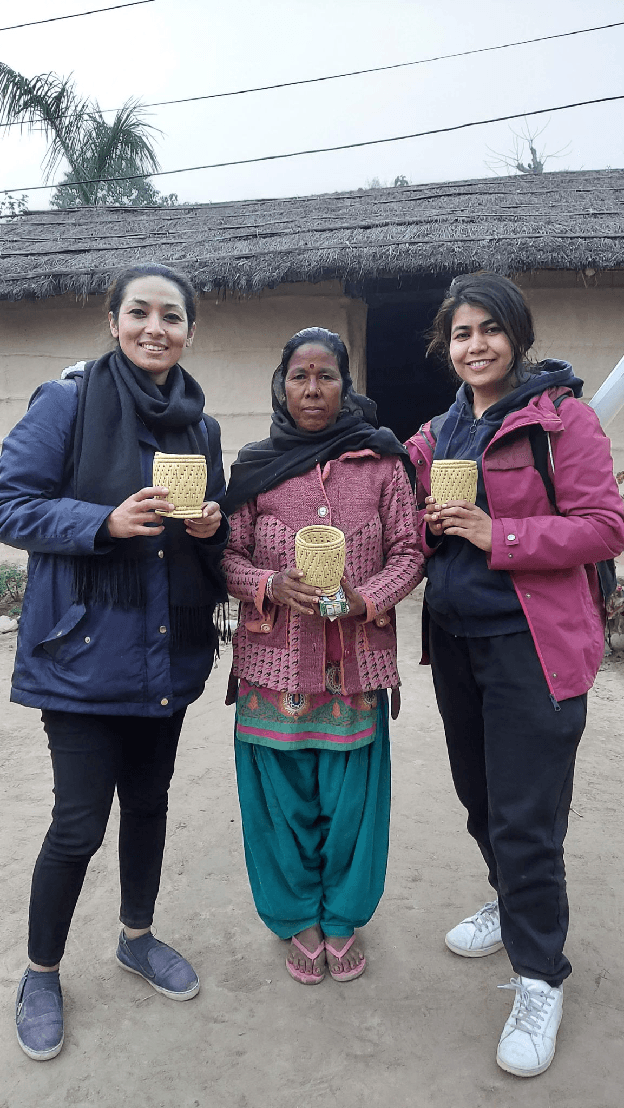
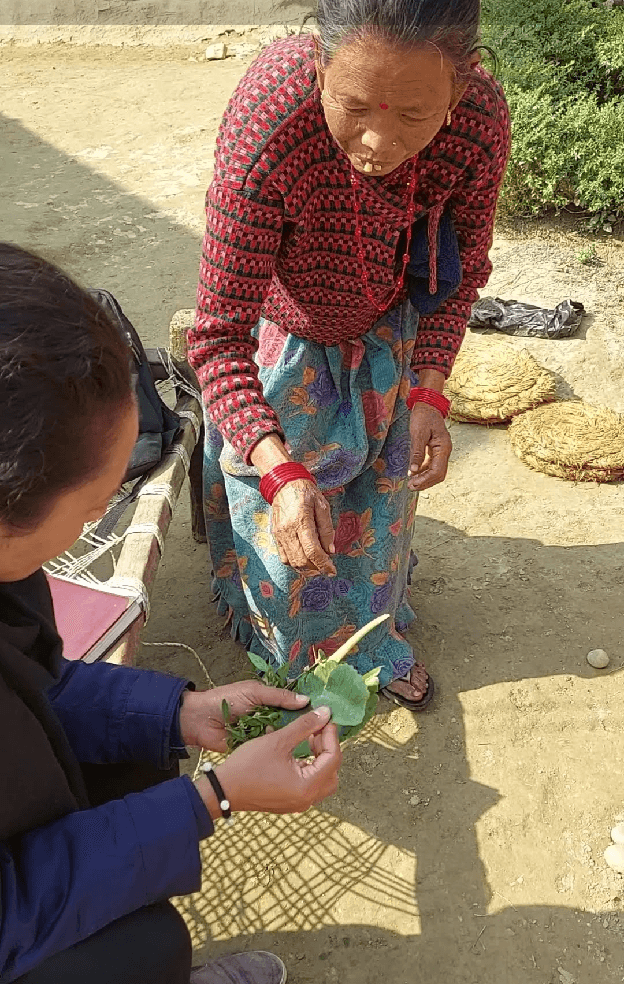
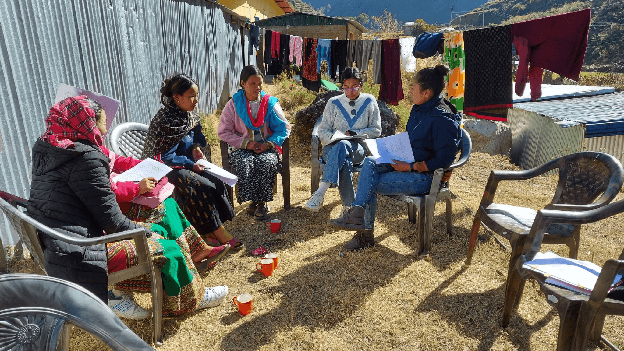
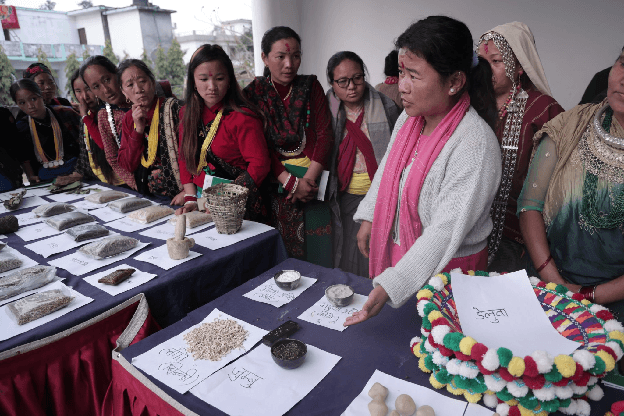
This completed project explored the intersection of climate change impacts and Indigenous knowledge systems, focusing on the lived experiences and wisdom of Nepal's Indigenous communities — with a deep dive into the Tharu, Magar, and Sauka communities. Through literature reviews, field research, and local engagement, we uncovered how these communities, long stewards of the land, are innovating and adapting in the face of mounting environmental challenges.

Policy Recommendations

  • Integration of Indigenous and Local Knowledge (ILK) into climate adaptation planning
  • Formal recognition of traditional governance systems like the Badghar in Tharu villages
  • Equitable climate finance to Indigenous women and communities
  • Protection of ancestral lands from exclusionary conservation policies

Project Impact

This project has amplified Indigenous voices, celebrated their resilience, and documented practices that are both culturally significant and ecologically relevant. By concluding this research, we have created a foundation for future climate adaptation projects that are inclusive, gender-sensitive, and locally led.

Explore More Projects

Discover other initiatives in our portfolio addressing similar challenges and opportunities.