A participatory approach to improving water security in mountain cities across Nepal, Bangladesh, and India, funded by Asia-Pacific Network for Global Change Research.
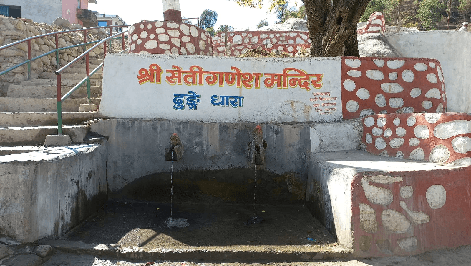
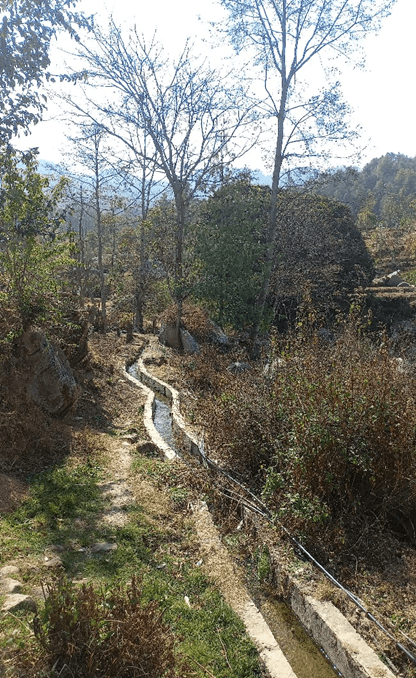
Achieving urban water security, particularly in mountainous regions of Hindu Kush Himalaya (HKH), is a major challenge for sustainable development. Water security problems here in HKH are often systemic but governed by diverse factors with complex interactions among each other. Hence, this study attempts to examine the complex linkages between water security and urban management at a local level of two countries, namely Nepal and Bangladesh learning from the experience of India.
The systematic study will (1) identify underlying geographical, climatic, institutional and socio-economic vulnerabilities, (2) assess their impacts on urban mountain communities, and (3) document current and potential adaptation mechanisms to strengthen water security. Unlike indicators-based water security framework, this study considers perception-based measures applying a mix of participatory research methods namely in-depth interviews and focus group discussions. To collect and analyse data tools like problem and solution tree, seasonal calendars and participatory GIS are seamlessly integrated into the study.
Funded by: Asia-Pacific Network for Global Change Research (APN), Japan